
 Google Play
It usually begins the same way: somebody buys a machine, drives to the nearest field and digs up eight bottle caps, a length of wire and a horseshoe. After the third outing like that the enthusiasm runs out and the detector moves to the garage. People usually blame the ground, but the ground has nothing to do with it: the mistakes that waste a first year are much the same for everyone, and you can simply not make them.
The machine isn't the problem. Hardware is step four, not step one. The order that actually works goes: law, ethics, scenario, kit, map, diary. Below is each in turn, then the ten mistakes of a first season and a first-outing checklist.
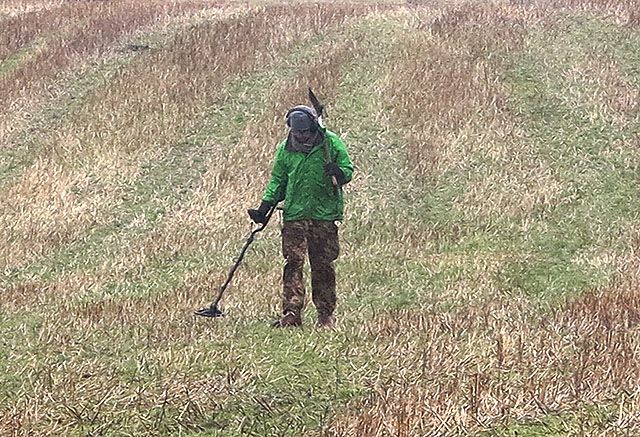
The order worth keeping
- Law and access. Land status, the owner's consent, restricted zones.
- Ethics. Fill your holes; don't publish coordinates of valuable complexes.
- Scenario. Woods, field or beach — it decides both the machine and the tactics.
- Kit. Detector and pinpointer in one purchase, not one after the other.
- Map. Historical layer and offline area downloaded before you leave.
- Diary. Photo, pin, map layer, settings.
Points one and two don't move down the list however much you want them to. Everything else is taste and budget.
The law, short version
A beach or a ploughed field that "looks like nobody's" is not permission. Monuments, burials, protected areas and other people's land without consent are a stop, however good the signal. This isn't "maybe I'll get away with it" — it's the end of the hobby and in places a criminal matter, so the parcel is checked before you set off, not after something glints in the hole.
This sounds like pedantry right up until your first conversation with the person who owns the field. Details in legal status and regional rules; ethics and safety have their own guide.
The machine: don't buy the flagship
An expensive coil will not teach you to hear the ground — it will just report more loudly the things you can't decode yet. And hearing the ground is exactly what the first season is for. Start from the scenario and pick hardware to match: a mid-range machine such as a Simplex Ultra, an X-Terra Pro or a Legend, a season in the field, and only then a decision about upgrading. The model breakdown is in choosing a detector; what else belongs in the kit is in equipment.
A pinpointer is not an upgrade for later. Without one you keep widening the hole until either the target turns up or your patience does: across a day that's tens of minutes and several small finds that quietly went back into the spoil.
In the field the goal isn't maximum depth either — it's a stable, readable tone. Sens at 99 doesn't buy depth; it buys phantoms from grass, from your own spade and from a power line two kilometres away. Turn it down until the machine goes quiet over nothing — real work starts from that number. How to get there is in basic settings; what the numbers on screen mean is in VDI.
The map beats the secret spot
The good news: the places where people lived a century ago haven't gone anywhere, they're just invisible on a modern map. The bad news: without a historical layer you won't find them however far you walk. "I'll try the field nearby, it looks old" is a lottery with poor odds.
Lost farmsteads, roads, inns and mills read clearly on old sheets: first the historical sheet, then the georeference, then candidates on satellite, and only then the spade. It is worth learning from the start: how to read an old map and maps on your phone. The app has layer opacity, offline areas and polygon marking — all of which is done at home, not in a field with no signal.
The hole and the find: care from day one
An unfilled hole is a broken leg on a cow, a ruined hay crop, and one conversation after which nobody with a detector gets onto that field again. A clean cut, check the plug, turf back. In importance it ranks second only to knowing how to listen.
The same rule applies to the find. Rubbing a coin on your trouser leg is the fastest known method of removing two hundred years of history from it, and acid out of a rucksack is faster still. Photograph it, lift the soil gently, and do everything else at home and by metal: the first 24 hours after a find.
A diary from the first signal
Start the habit while you still have few finds and logging is easy. An "as found" photo, the coordinates, which map layer was open, what the machine was showing.
In a month you will not remember which corner that signal came from. In a season the diary becomes the only thing separating your experience from a collection of random holes. It's your archive, not a public treasure map, and the difference matters. AI photo analysis helps you work out what you found, but it takes no responsibility for the legality of the outing — AI cases is precisely about where the limits are.
Ten mistakes that cost a first season
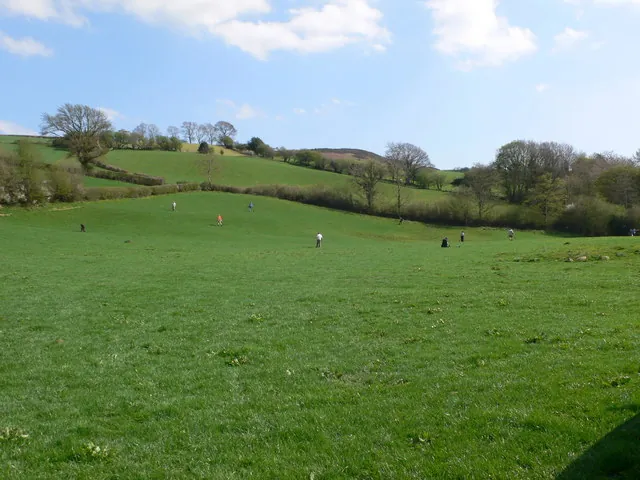
| Mistake | Why it hurts | What to do instead |
|---|---|---|
| 1. The flagship immediately, ideally on credit | Reports more loudly what you can't decode yet | A mid-range machine, a season in the field, then decide — see choosing a detector |
| 2. Sensitivity at maximum | Phantoms from grass, the spade and power lines instead of depth | Turn it down until the machine goes quiet over nothing |
| 3. A field with no map | A lottery with poor odds | Sheet, georeference, candidates on satellite, then the spade |
| 4. Ignoring land status | The end of the hobby, in places a criminal matter | Check the parcel before you set off, ideally in writing |
| 5. Holes left however they turned out | The field closes to everyone with a detector | A clean cut, check the plug, turf back |
| 6. Digging by the number alone | The same coin reads differently at depth, in other soil and next to a nail | Learn the tone, the repeatability and the check sweep — VDI and discrimination |
| 7. Cleaning a find in the field | Two hundred years of history gone in a minute | Photograph, lift the soil gently, the rest at home and by metal |
| 8. Going out without a pinpointer | Tens of minutes per hole and small finds lost to the spoil | A pinpointer in the same purchase as the machine |
| 9. Not keeping a diary | A set of holes instead of experience | Pin, "as found" photo, map layer — from the first outing |
| 10. Measuring yourself against other people's highlights | Videos show the best one-thousandth | Count outings, hours and what you learned |
Map overlays, pins and the diary in Discovera cover mistakes 3, 7 and 9 — the three that cost the most.
First-outing checklist
- Scenario and budget are clear.
- Land status is clear, preferably in writing.
- Pinpointer and a decent spade in the bag.
- Map downloaded offline, polygon marked.
- Sensitivity and ground balance set for stability, not for maximum.
- Holes get filled, and the diary starts with the first signal.
FAQ
Where should a beginner start?
In this order: law, ethics, scenario, machine, map, diary. Not with the most expensive coil, and not with a secret pin from a group chat.
Do I need a pinpointer immediately?
Yes, and it isn't an upgrade for later. Without one you spend twice as long at each hole and lose all the small stuff that falls back in. See equipment.
What matters more — machine or place?
The place, by a wide margin. A good machine in a bad spot produces a lot of very neat empty holes. Maps: how to read an old map, maps on your phone.
Which settings on day one?
The ones where the machine stays quiet when there's nothing under the coil. A stable threshold is worth more than a few extra centimetres: settings, then VDI.
Which beginner mistakes cost the most?
A field with no map, cleaning a find in the field and no diary: the first wastes a season, the second ruins the find for good, the third stops you learning from your own experience. Land status stands apart — that mistake can end the hobby altogether.
How does Discovera help?
With historical map overlays, pins, a diary and photo analysis. It's a discipline tool, not a treasure finder — apps that show you where to dig do not exist.